Chargement...
Veuillez patienter...
Veuillez patienter...


Capron Podologie, fabricant Français n°1 en fournitures et matériels de Pédicurie-Podologie
Service clients 03 85 77 90 60

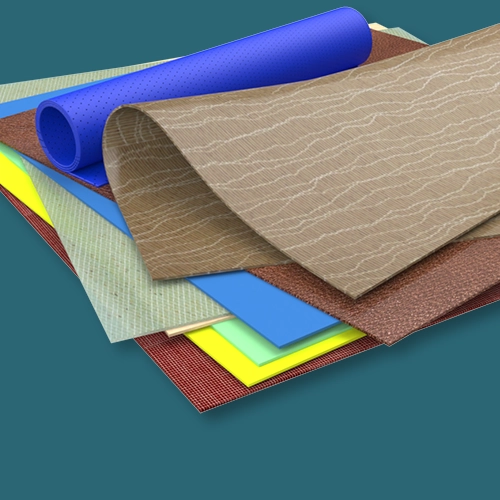
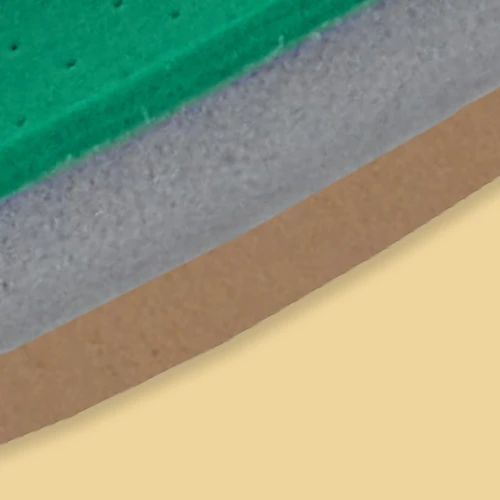
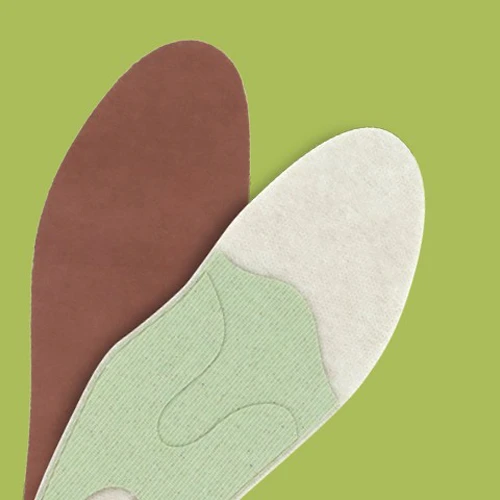
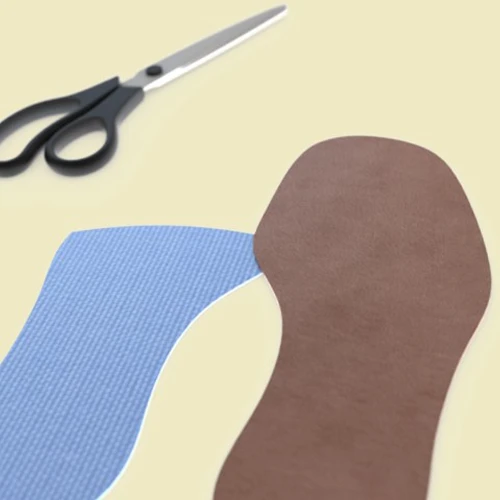
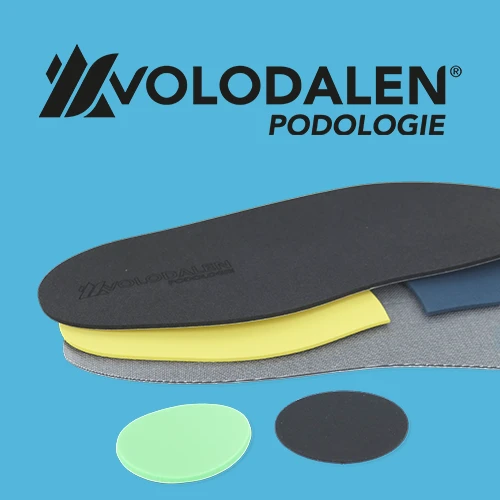
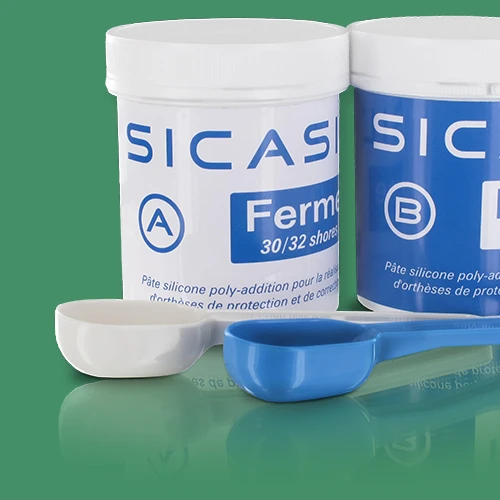
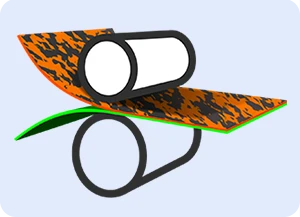
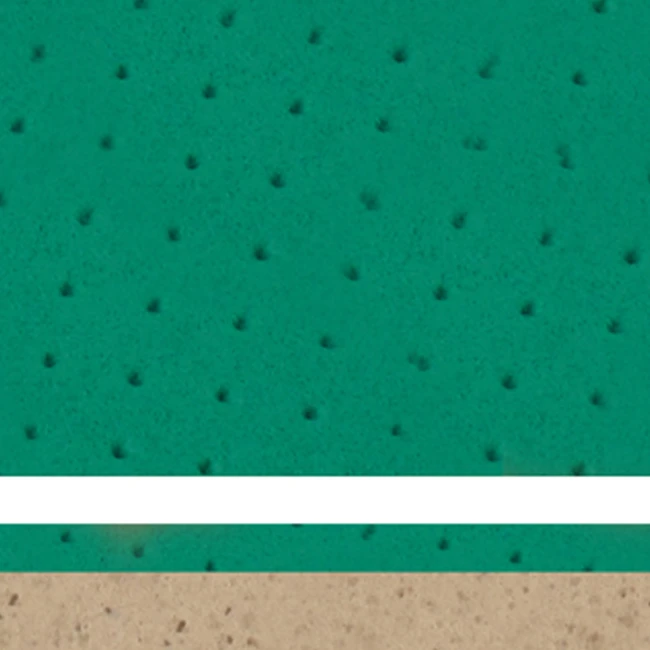
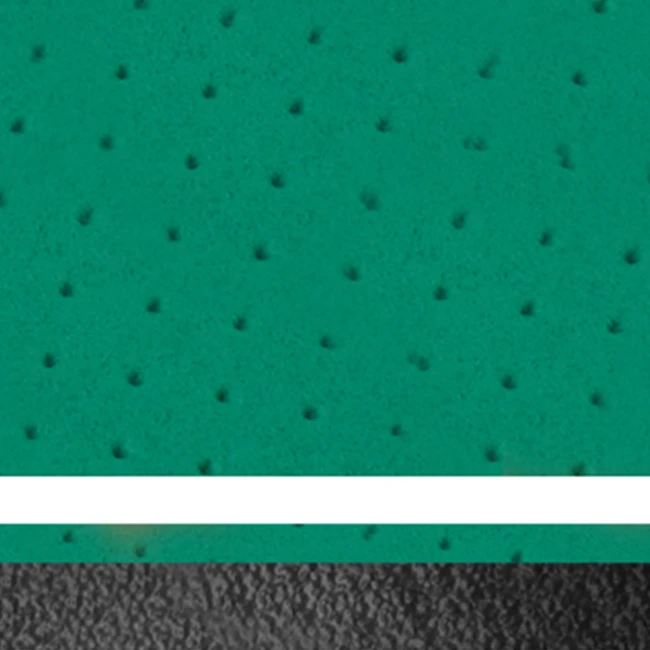
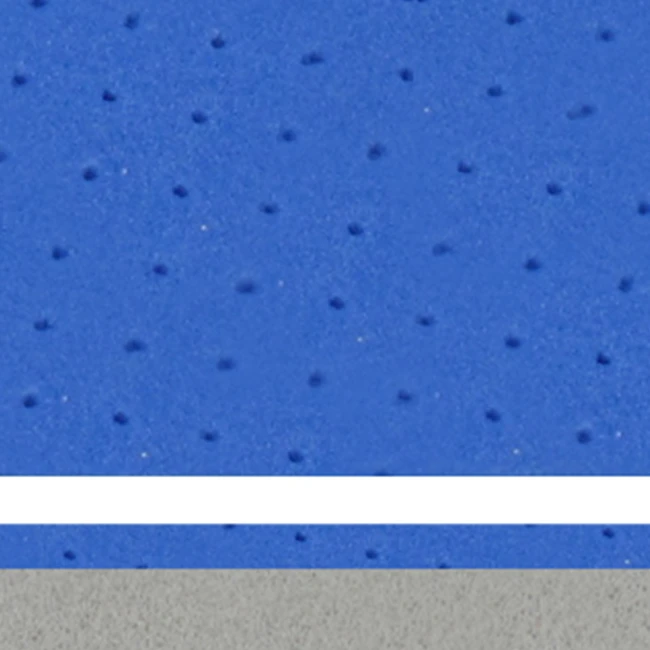
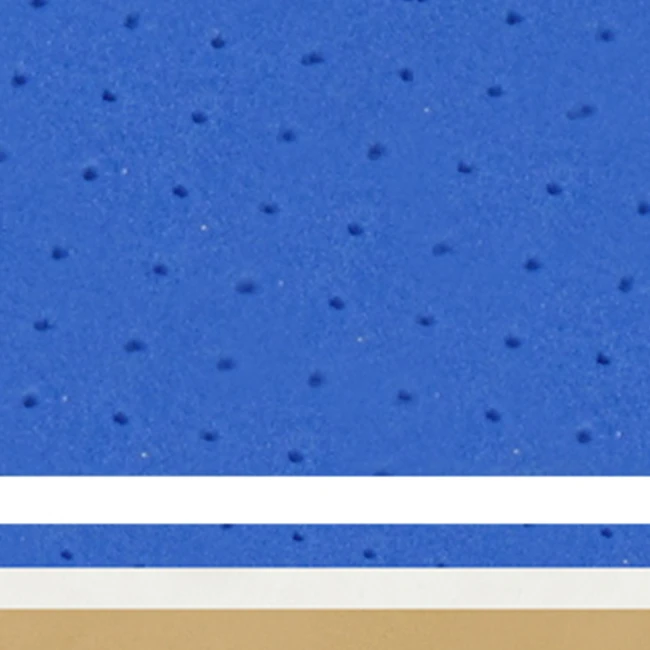
Le complexage bi-densité ou tri-densité pour semelle repose sur la combinaison de deux ou trois couches de matériaux aux propriétés distinctes :
• Densité souple : assise plantaire amortissante, absorption des chocs, réduction des pressions excessives.
• Densité ferme : maintien structurel, guidage du pied, meilleure répartition des appuis.
Cette architecture permet un amorti ciblé tout en assurant la stabilité nécessaire aux corrections posturales.
doit s’appuyer sur plusieurs paramètres techniques :
• Dureté Shore A : clé pour équilibrer confort et soutien (souple = amorti ; ferme = correction).
• Mémoire de forme : essentiel pour les patients à usage intensif ou nécessitant un maintien constant.
• Résistance à l’écrasement : garantit la durabilité dans le temps, notamment pour les patients lourds.
• Épaisseur : adaptation selon le chaussage (ville, sécurité, sport, chaussures fines).
• Facilité de découpe : pour gagner du temps en atelier et obtenir une finition nette.
Il faut associer le profil patient au choix de la densité :
• Sportifs : densité ferme + couche amortissante pour absorber les impacts répétés.
• Personnes en surpoids : matériaux haute résilience pour éviter l’affaissement.
• Enfants : densités intermédiaires, souples mais réactives, pour accompagner la croissance.
• Séniors : priorité au confort, à l’amorti et à la légèreté.
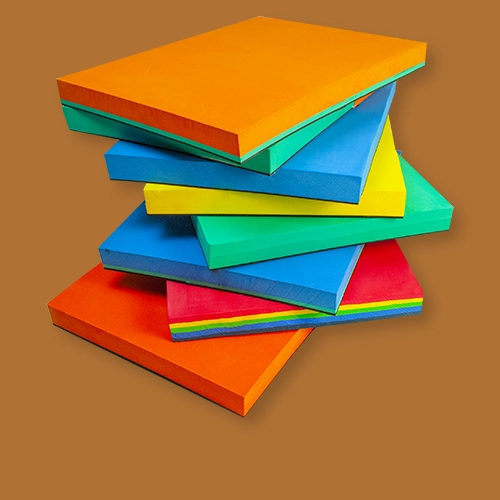
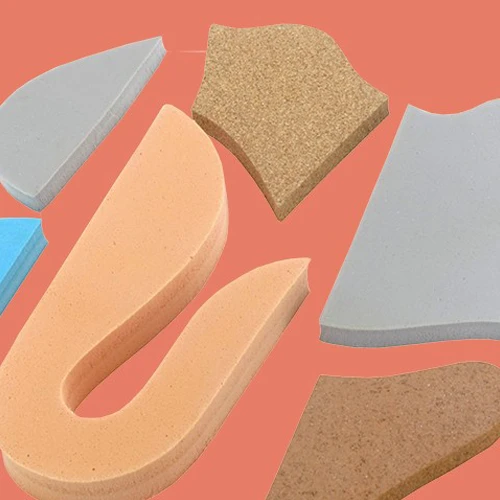
Capron Podologie propose un large choix de complexages bi-densité adaptés à toutes les pratiques :
• EVA (Éthylène-acétate de vinyle) : ce matériau propose un excellent compromis amorti / maintien, une très grande résistance à l’écrasement. Il est idéal pour des sportifs, personnes actives ou des patients lourds
• PE (polyoléfine retuilée) : ce matériau propose une large gamme de densités et de dureté. Il est d’une très grande stabilité et est particulièrement adaptés aux recouvrements
• Polyuréthane (PU) : matériaux de très bonne résilience avec un confort durable. Il est idéal pour les stations debout prolongées ou encore les chaussures professionnelles
En choisissant Capron Podologie, vous bénéficiez de garanties essentielles pour votre pratique : choix d’un adhésif compatible avec les matériaux sélectionné pour éviter le décollement en multi-couches et conçus pour la réalisation de thermoformage, disponibilité immédiate sur un large choix de matériaux. Contactez notre équipe pour un conseil personnalisé et pour vous aider dans le choix et la mise en œuvre des complexages
Plongez dans l'univers Capron, vous y découvrirez notre actualité, des nouvelles vidéos, les live-terrains de nos formations et bien plus encore !
Nouveau client ? Cliquez ici pour Créer un compte
Plongez dans l'univers Capron, vous y découvrirez notre actualité, des nouvelles vidéos, les live-terrains de nos formations et bien plus encore !
Plongez dans l'univers Capron, vous y découvrirez notre actualité, des nouvelles vidéos, les live-terrains de nos formations et bien plus encore !